Source 4mm Stackable Banana Jack Plug for Audio, Lab, and Power
Find and compare 4mm Stackable Banana Jack Plug options from 30 verified listings. Evaluate specifications like rated current, voltage, and material composition to select the right connectors for your electronic assembly needs.
Key considerations
Products List





Comprehensive Sourcing Guide
4mm Stackable Banana Jack Plug Sourcing Guide
Product Scope and Observed Listing Signals
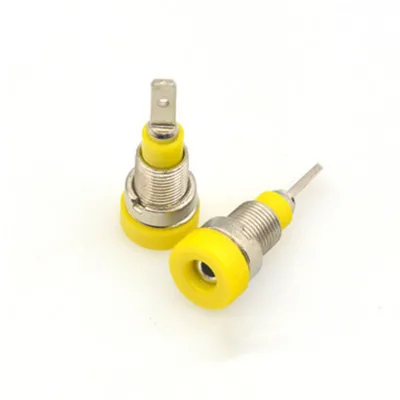
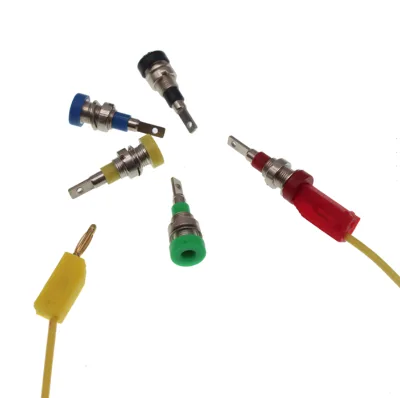
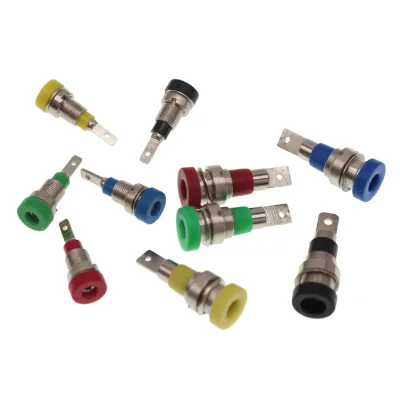
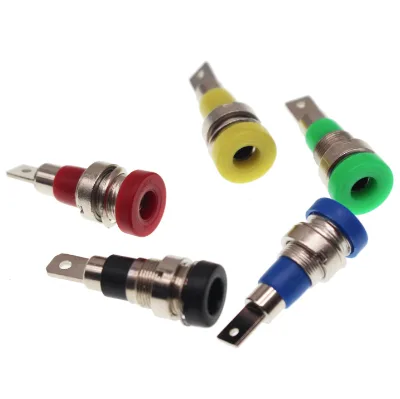
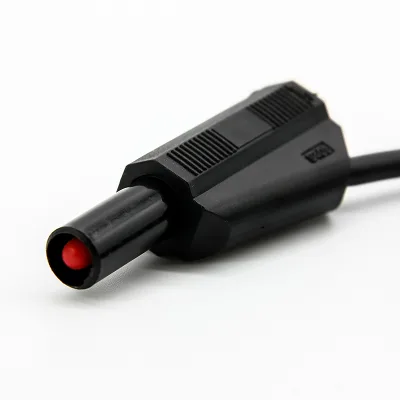
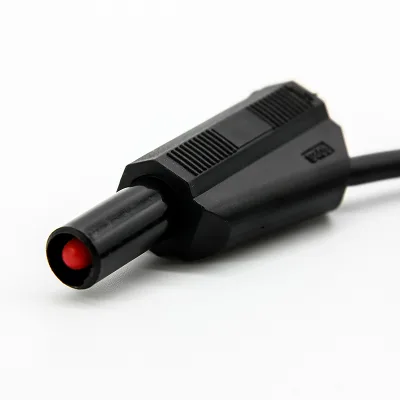
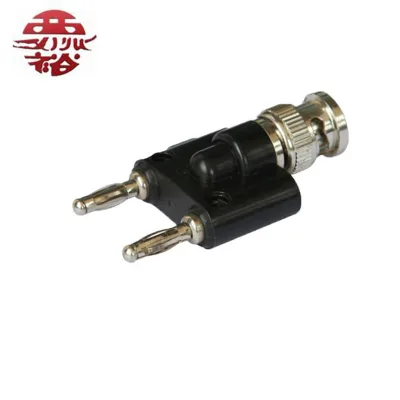
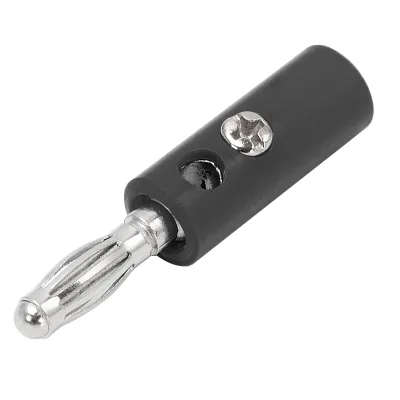
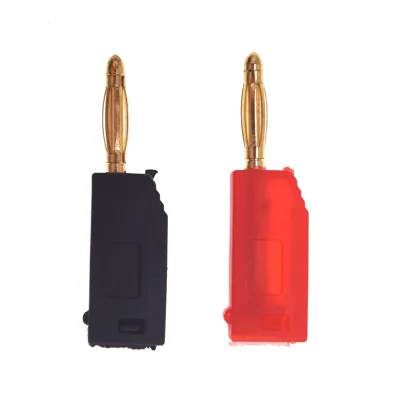
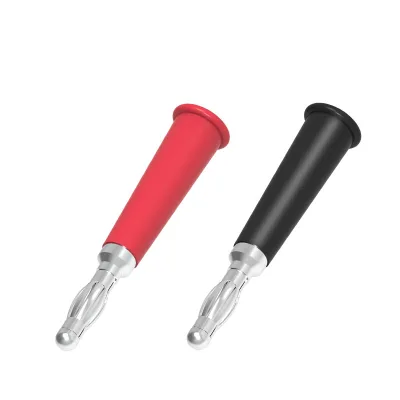
The market for 4mm stackable banana jack plugs presents a diverse range of configurations, primarily centered on audio and low-voltage signal transmission applications. Listings frequently identify these components as "Banana Jack Socket" or "Banana Connector" units, often specifying a 4mm diameter for the plug interface to ensure compatibility with standard test equipment and speaker systems. Buyers should note that while the core function remains consistent, observed product attributes vary significantly, with some entries describing the item as a "4mm banana plug" while others label it a "Banana Angle Connector" or "Terminal Banana Plug," indicating a need to verify the specific mechanical orientation and gender (male or female) required for the assembly.
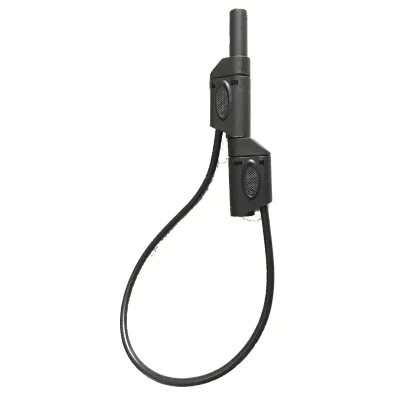
Commercial listings reveal a wide spectrum of pricing and minimum order quantities, with observed prices ranging from $0.05 to $2.92 USD and MOQs spanning from single units to 1,000 pieces. This variance suggests that the market includes both individual replacement parts and bulk industrial components, often differentiated by material composition and packaging. Some suppliers offer "Customization" as a key attribute, allowing for tailored lengths such as 1m, 1.5m, or 2m cables, or specific wire core materials like bare copper wire, which directly impacts the final unit cost and suitability for specific wiring harness projects.
Technical Specifications to Verify
When evaluating technical suitability, the rated electrical parameters are the primary differentiator among available products. Observed data indicates a split in specifications, with some units rated for a maximum current of 10A and others up to 32A, while voltage ratings fluctuate between 60V and 1000V. Procurement teams must rigorously match these ratings to the intended load; for instance, a speaker application might require the 10A or 15A variants, whereas high-power industrial wiring harnesses may necessitate the 32A MAX rated connectors. Relying on a single generic specification without verifying the specific lot's rating can lead to thermal failures or safety hazards in the final assembly.
Physical dimensions and material construction also require precise verification to ensure mechanical fit and durability. The product length is observed to vary between 20cm, 28.5mm, and 30.5mm, with some listings offering customizable cable lengths. The insulator material is frequently cited as ABS, while the conductive core is often brass or copper, sometimes featuring a nickel-plated surface for enhanced conductivity and corrosion resistance. Additionally, the wire core material may be specified as bare copper wire encased in PVC or silicone jackets, and the overall shape is typically round wire, which affects how the component integrates into injection molding assemblies or general wiring harnesses.
Compliance and Safety Documentation
Safety compliance is a critical factor when sourcing electrical connectors, particularly for applications involving audio equipment or low-voltage wiring harnesses. The supplied product data indicates that many listings claim adherence to multiple international standards, including RoHS, CE, CCC, ISOCCS, and VDE certifications. Buyers should treat these certifications as observations of the supplier's claims rather than guaranteed attributes of every unit, and must request valid, up-to-date test reports to confirm that the specific batch of 4mm banana plugs meets the regulatory requirements of the destination market.
Beyond general certifications, the specific material safety and environmental standards must be scrutinized, especially regarding the insulating and jacketing materials. Some products list PVC pipe as a bandaging material, while others specify a silicone jacket, each carrying different flammability and temperature tolerance profiles. The presence of CCC certification suggests compliance with Chinese safety standards, which is relevant for domestic sales but may need to be supplemented with other approvals for export. Procurement teams should verify that the "Standard" attribute, often listed as "customized," aligns with the specific safety codes required for the end-use environment, such as VDE standards for European markets or UL equivalents for North America.
Cost Drivers and Commercial Terms
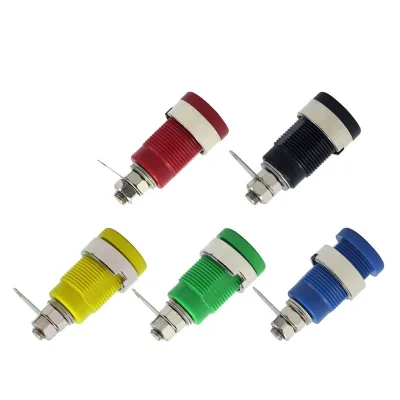
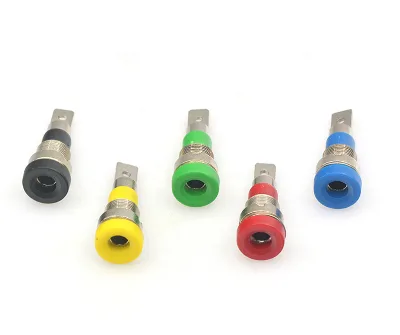
The commercial landscape for these connectors is heavily influenced by the complexity of the customization and the volume of the order. While base prices can be as low as $0.05, the cost increases with the addition of features such as specific wire gauges (e.g., 20AWG), custom jacketing materials like silicone, or specialized packaging requirements. The "Selling Units" attribute often indicates that items are sold individually, but bulk orders may benefit from different pricing tiers, and the "Customization" availability allows buyers to negotiate costs based on specific length or color requirements, such as the observed red, black, yellow, green, and blue options.
Lead times and packaging logistics also play a significant role in the total cost of ownership. A standard lead time of two weeks is observed for many suppliers, but customized orders involving specific wire cores or unique mechanical shapes may extend this timeline. Packaging varies from single items to carton packing, with single package sizes ranging from 5x3x3 cm to 10x5x5 cm, which affects shipping density and freight costs. Buyers should clarify whether the quoted price includes the cost of the "Single gross weight" of 0.05 kg per unit or if heavier custom assemblies will incur additional freight charges, ensuring that the total landed cost is accurately calculated before finalizing the purchase.
Supplier Qualification and Quality Control
Supplier qualification should focus on the consistency of their manufacturing processes and the reliability of their quality control systems. The "Place of Origin" is consistently listed as China, with specific mentions of Shanghai, indicating a concentration of manufacturing hubs in this region. Buyers should verify the supplier's capability to maintain the "Nickel plated" surface finish and the structural integrity of the "Brass" or "Copper" conductors, as these are critical for maintaining low resistance and preventing oxidation over time. The "Type" attribute, often listed as "Other" or "Banana Connector," requires clarification to ensure the supplier understands the specific mechanical tolerances needed for stackable applications.
Quality control protocols must address the variability observed in the product listings, such as the differing model numbers and specifications. Since the "Model Number" can range from "Banana Jack Socket Plug" to "2mm Stackable Banana Plug 20AWG Cable," it is essential to establish a clear specification sheet that defines the exact part number, rated current, and voltage for every order. The "General Wiring Harness" classification suggests that these components are often part of larger assemblies, so the supplier should demonstrate experience with "Injection Molding Assembly Class" processes to ensure the connectors integrate seamlessly with other system components without mechanical failure or electrical arcing.
Long-Term Procurement Checks
Sustaining a reliable supply chain for 4mm stackable banana plugs requires ongoing verification of the supplier's ability to maintain consistent quality over time. Buyers should implement a periodic audit process to ensure that the "Certification" status, such as RoHS and CE, remains valid and that the supplier continues to source materials that meet the specified "Material Shape" and "Wire Core Material" requirements. The "Customization" feature, while beneficial, introduces a risk of specification drift, so regular re-qualification of custom parts is necessary to prevent deviations in length, color, or electrical ratings that could compromise the final product.
Long-term procurement strategies should also account for the potential for supply chain disruptions and the need for inventory management. Given the observed lead time of two weeks and the variability in MOQs, buyers should maintain a safety stock of critical components to mitigate delays. The "Weights" attribute, observed at 42g for some units, and the "Single gross weight" of 0.05 kg highlight the importance of accurate inventory tracking, as small discrepancies in weight can indicate material substitution or manufacturing defects. Establishing a long-term partnership with a supplier who can provide consistent "Product name" and "Model Number" alignment will reduce the administrative burden of re-verifying specifications for every new order.
FAQs
What is the rated voltage and current for these connectors?
The rated voltage is 60V and the maximum rated current is 32A. Some variants support up to 1000V with a 10A or 15A current limit. These electrical ratings ensure safe operation for low-voltage wiring harnesses and speaker applications. Always verify the specific model's limits before installation to prevent overheating or electrical failure in your circuit design.
Which certifications are available for these banana jack plugs?
Available certifications include RoHS, CE, CCC, ISO, CCS, and VDE. These standards confirm compliance with international safety and environmental regulations. The materials used, such as brass and bare copper wire, support these certifications. Buyers requiring specific regulatory approvals for export or industrial use should request documentation matching their target market's legal requirements.
Can I customize the length and packaging of these connectors?
Yes, customization is available for both cable length and packaging. Cable lengths can be customized to 1m, 1.5m, 2m, or 20cm. The standard packaging is a carton, but specific packing requirements can be discussed. This flexibility allows buyers to tailor the product to their assembly line needs or specific distribution requirements without compromising quality.
What is the typical lead time for orders?
The typical lead time is two weeks. This timeframe applies to standard production runs for the 4mm banana jack socket plugs. Buyers should account for this duration when planning inventory or project timelines. Expedited options may be available depending on stock levels and specific customization requests, so early communication with the supplier is recommended.
What materials are used in the construction of these plugs?
The connectors are constructed from brass with a nickel-plated surface. The wire core uses bare copper wire, and the insulator is made of ABS plastic. Some cable variants use copper and PVC materials. These material choices provide durability, conductivity, and resistance to corrosion, ensuring reliable performance in various electronic and audio applications.
What is the minimum order quantity for these products?
The minimum order quantity ranges from 1 to 1000 units, with a high-confidence baseline of 100 units. This flexibility accommodates both small sample orders and larger bulk purchases. Buyers can select quantities that fit their testing or production needs. Pricing may vary based on the volume ordered, so checking specific quotes for larger batches is advisable.